A Copy of a Copy: Hany Armanious inspires graphic designers to embrace replication

Inspired by Hany Armanious' work, Design academic Narelle Desmond at the Victorian College of the Arts developed a new research project in which students were challenged to rethink what it means to 'copy'.
“You can sit there. That’s a chair.”
The gallery attendant clarifies because it could have been a replica, which would have made it more of a “chair”, a chair and not a chair; something Joseph Kosuth might sit on. The question of its chairness, in the context of the “stone”, “table tennis ball”, “bic pen squashed in a piece of Blu Tack”, “water cracker stuck to MDF board”, and all other manner of masterful assemblages of perfect trash replicas in the room, contributes to the overall distortion of the gaze offered by Hany Armanious’ Stone Soup, currently exhibiting at Buxton Contemporary.
His technically mind-boggling acts of painstaking replication give new weight to the random collections of detritus—large and small—that are his muses, imbuing them with new aura and agency.
Something half-fiddled with and discarded, like a car seat, taped over in parts (We Astrologers, 2010) echoes with stories of human interaction. The gallery attendant's favourite is Spooks (2024), which feels like a scene you’d stumble across in the park post-picnic: grass fibres fidgetily woven through a blueberry container, next to an empty glass.
You wouldn’t pay much attention to the original, but the profoundly close and real copy demands up-close inspection and awe—how? why!—throwing up all kinds of questions about originality, value and ‘realness’.
A Copy of a Copy
In grappling with the questions posed by Armanious’ work, Buxton Contemporary curator Samantha Comte and Lecturer in Design Narelle Desmond, were inspired to engage more deeply with its themes.
“It started out as a project about Hany Armanious’ work and then it grew. It became something that was more expansive than one artist's practice; we looked at taking what he does and applying it more broadly,” said Narelle.
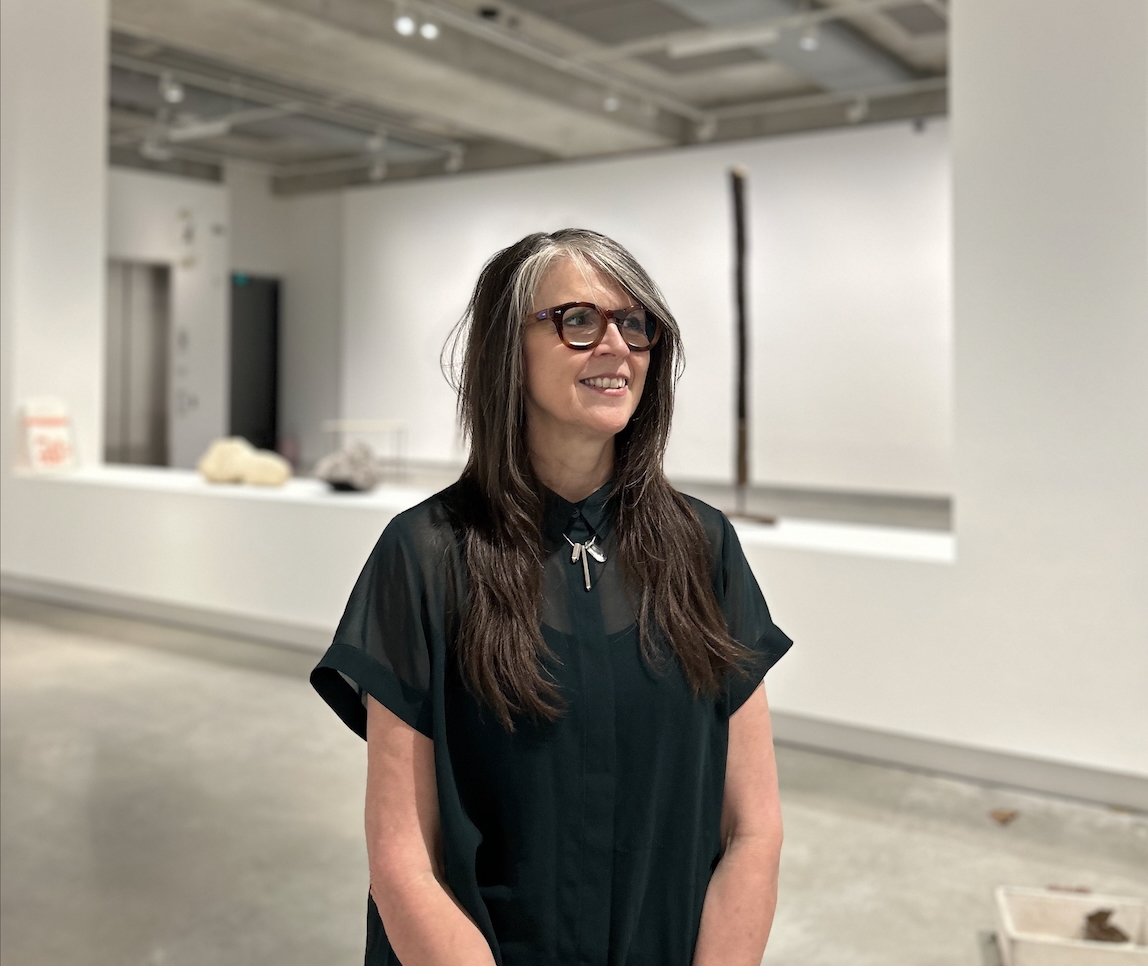
What resulted was a semester-long research project offered through the Bachelor of Graphic Design, A Copy of a Copy, in which students were tasked with doing a deep dive into what it means to use the copy as a generative act “rather than an act of stealing”.
“Typically when we think about our discipline, we think about it being something that's truly original, but actually when we break it down, we see that just about everything we do in graphic design is a copy,” said Narelle.
“We're working within language structures that already exist. We use typography, we use grids, we use layouts, we have other ways of combining the information together —including imagery—that is using what already exists.”
The subject engaged students with critical theory around the idea of the copy, and access to images of Armanious’ work (generously shared), enabling them to think deeply and respond to Stone Soup, ahead of its opening at Buxton Contemporary.
Shadows on the wall
Osha Barrett, a Graphic Design student who participated in the subject, said “What I loved about this project is we could really, for a whole semester, delve into this concept of a copy because it's so applicable to literally everything.”
“It's just changed how I perceive the way we consume everything, including art.”
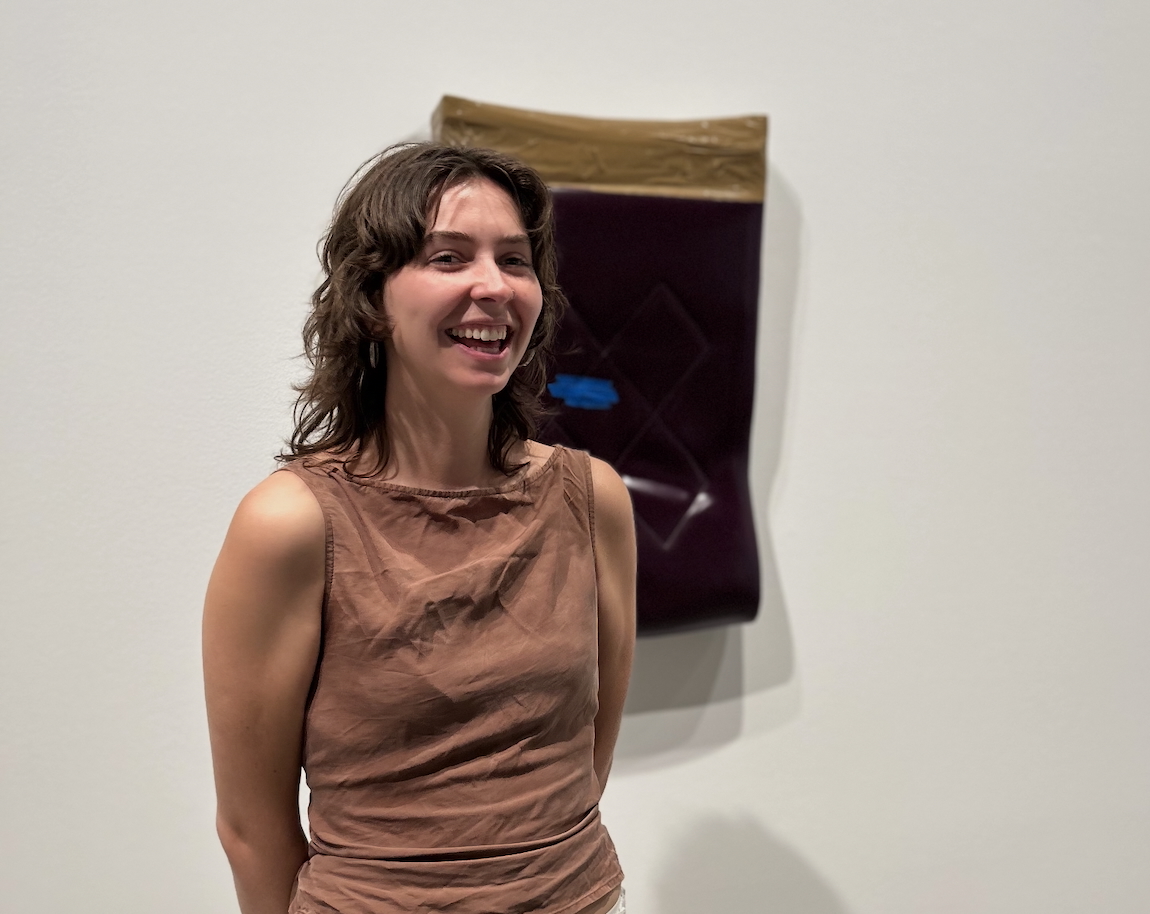
The project gave the students freedom to determine the scope of their research and output. The focus of Osha’s project was replication in food culture—what we eat and the way we eat.
“No recipe’s ever from scratch, it's always the accumulation of all this history,” she said.
“Your ex-boyfriend showed you a recipe that now you cook for somebody else, or your great-grandmother is from a country where she only had access to certain grains, and then that's informed something you love to eat today, and then you share that to the next person, and then it continues on and on and on and on.”
By Osha’s account, the subject reframed the class's negative bias around copying, within Graphic Design and beyond. It unlocked some broader thinking about the West’s obsession with originality, which denies us of context.
Philosopher Byung-Chul Han's concept of Shanzhai, critiques the Western view that copies or fakes are inferior to an original, with a focus on knock-off or counterfeit goods.
“One example he talks about is with the iPhone technology for the fingerprint ... it first appeared in this cheap knockoff copy but now it's been adopted by Apple," said Osha, who studied Shanzhai for her project.
Finding “the really crappy things”
A small part of the design output for the subject was a postcard, where the students remixed images of sculptures in Stone Soup, which you can find in the foyer at Buxton. Osha chose We Astrologers, because of its edible aesthetic and peanut butter and jelly colour scheme.
“[It was great] because we had this whole background of really thinking in this way of regeneration being a positive thing,” said Osha.
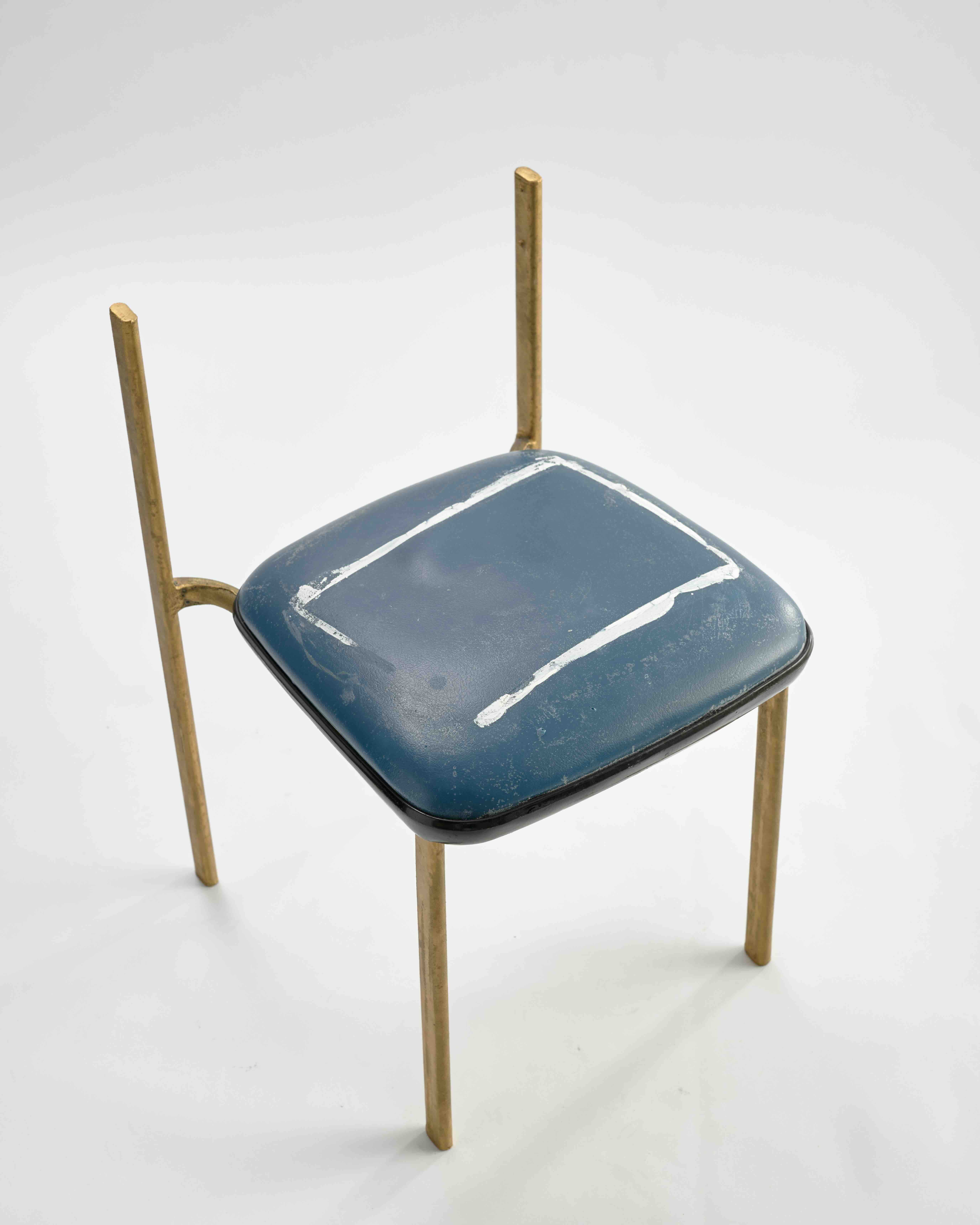
In an interview for Ocula, Armanious spoke about what he’s looking for when discerning the objects he will take a lot of time and energy transforming into sculptures.
“Things that are crap, and the crappier, the better. It's really hard to find that, the really crappy things,” he said.
Assigning holiness to “crap” is part of his genius.
Talking to Narelle and Osha it seemed the philosophical, humorous and mystical qualities of Armanious’ approach to making art carried through to A Copy of a Copy— as students found inspiration in unoriginality.
This project is part of an annual curricular collaboration between Buxton Contemporary and Studio 3, in the Bachelor of Design (Graphic Design), where students develop practice-led responses to Buxton Contemporary’s exhibition program through their coursework.
Hany Armanious: Stone Soup runs at Buxton Contemporary until 11 April.